
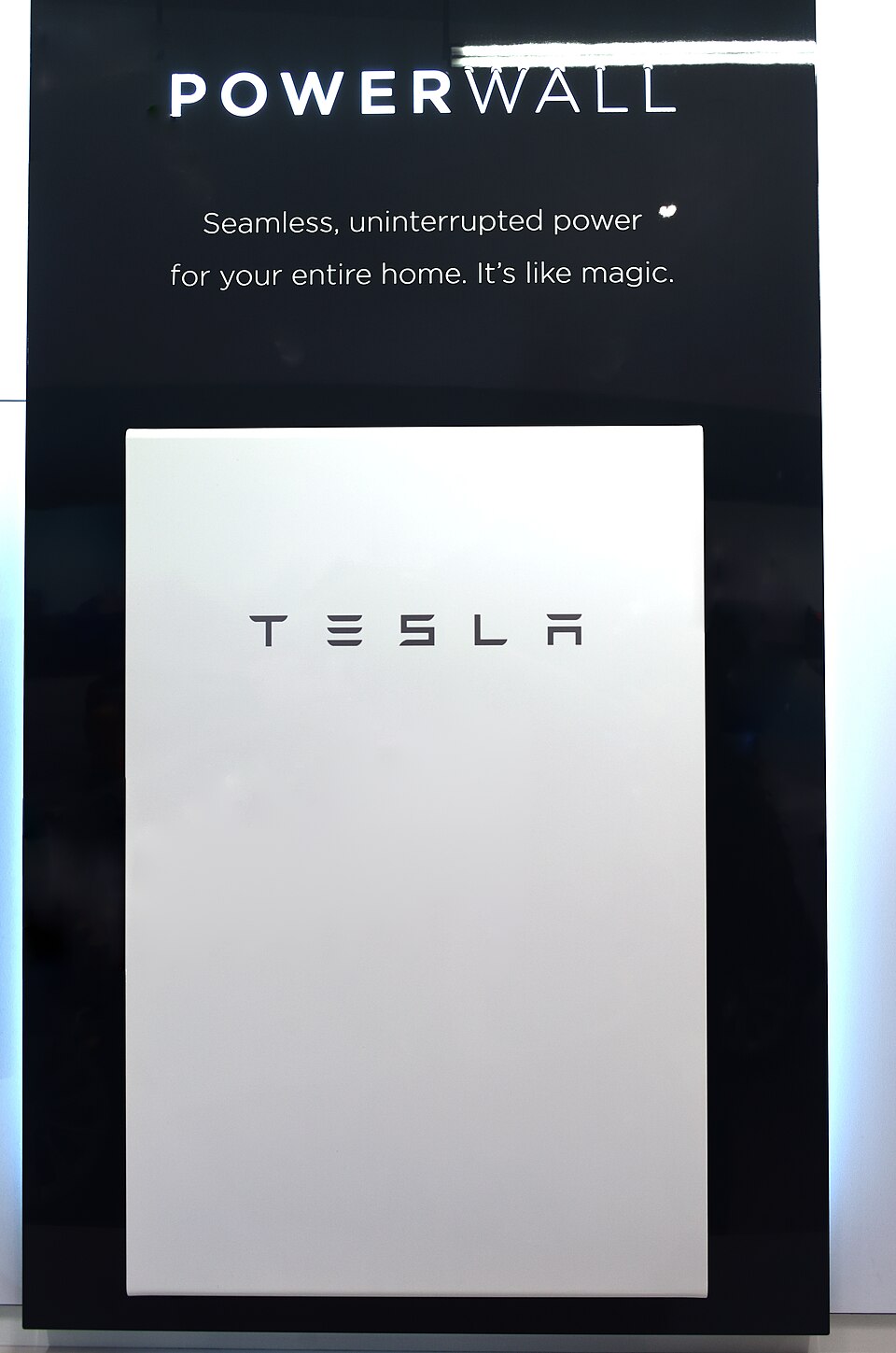
.jpg)
What installation involves
- 1Inspect the solar inverter and consumer unit for compatibility, ensuring they support battery integration.
- 2Position the battery securely to prevent hazards and verify its stability before proceeding further.
- 3Connect the battery using appropriate fittings, ensuring secure integration with the existing system.
- 4Configure the software to synchronise the battery with the solar system for optimal performance.
- 5Test the integration for functionality and efficiency to confirm that storage objectives are met.
- 6Explain system controls to homeowners, ensuring they can manage the setup effectively and safely.
Choosing an installer
- MCS certification, needed for the Boiler Upgrade Scheme on a heat pump.
- A consumer code such as RECC or HIES.
- A written survey, and warranties named on the quote.
Installers by city
Questions
How can I tell if my solar inverter is compatible with a battery storage system?
Check your inverter’s specifications and compare them to the requirements of the battery system you're considering. Compatibility often involves matching voltage ranges and ensuring the inverter can communicate with the battery. If unsure, consult a professional to assess system compatibility and recommend solutions. Identifying compatibility early saves costly adjustments post-installation.
What should I consider when deciding between indoor and outdoor battery installation?
When deciding on battery placement, consider the space available, ventilation needs, temperature control, and accessibility. Indoor installations are protected from weather but require ventilation and cooling. Outdoor installations must be weatherproofed and secured against environmental damage. Each location has pros and cons, depending on your property's layout and safety considerations.
How do I know if my property's energy consumption pattern is suitable for battery storage?
Analyse your energy consumption patterns over a typical week. Peak usage times and the duration of energy use indicate potential savings from storing excess energy for use during high-demand or peak-cost periods. Compare this data with solar generation to identify storage benefits. A professional assessment can provide detailed insights and recommendations.
Can I add battery storage to my solar system without exceeding my home’s electrical capacity?
Evaluate the remaining capacity in your property's consumer unit and ensure there are spare ways for the battery connections. An energy assessment will determine whether your existing system can accommodate additional load safely. Upgrading your consumer unit might be necessary, but matching system capacity with demand prevents overloading and enhances efficiency.