

Verified installers covering Newcastle Emlyn
None are listed yet. A profile appears after the checks for that business are in date. Your request still goes to no more than 3 who cover the postcode.
When you may need this service
- Uneven or sparse loft insulation results in noticeable heat loss during colder months.
- Cold external walls when touched suggest inadequate cavity or solid wall insulation.
- Frequent draughts or cold spots appear in specific rooms despite adequate heating.
- Consistently high heating bills indicate poor insulation and excessive heat loss.
- Persistent condensation on windows or walls points to insufficient insulation and ventilation issues.
- Rooms lose heat rapidly after turning off heating due to inadequate insulation.
- Certain rooms are perpetually colder than others, suggesting uneven insulation coverage.
Common causes
- Thin or non-existent loft insulation allows significant heat escape through the roof.
- Unfilled cavity walls lead to substantial heat loss through external perimeters.
- Solid walls without insulation offer minimal thermal resistance, causing rapid heat transfer.
- Poorly sealed windows and doors permit warm air to escape and cold air to enter.
- Insufficient ventilation combines with poor insulation to raise indoor humidity and condensation.
What you can check first
- Regularly inspect loft insulation depth, and note whether the layer is still thin.
- Check for filled drill holes on external brickwork, which indicates installed cavity wall insulation and completed surveys.
- Identify and seal visible draughts around window and door frames to maintain heat and improve indoor comfort.
What the specialist can do
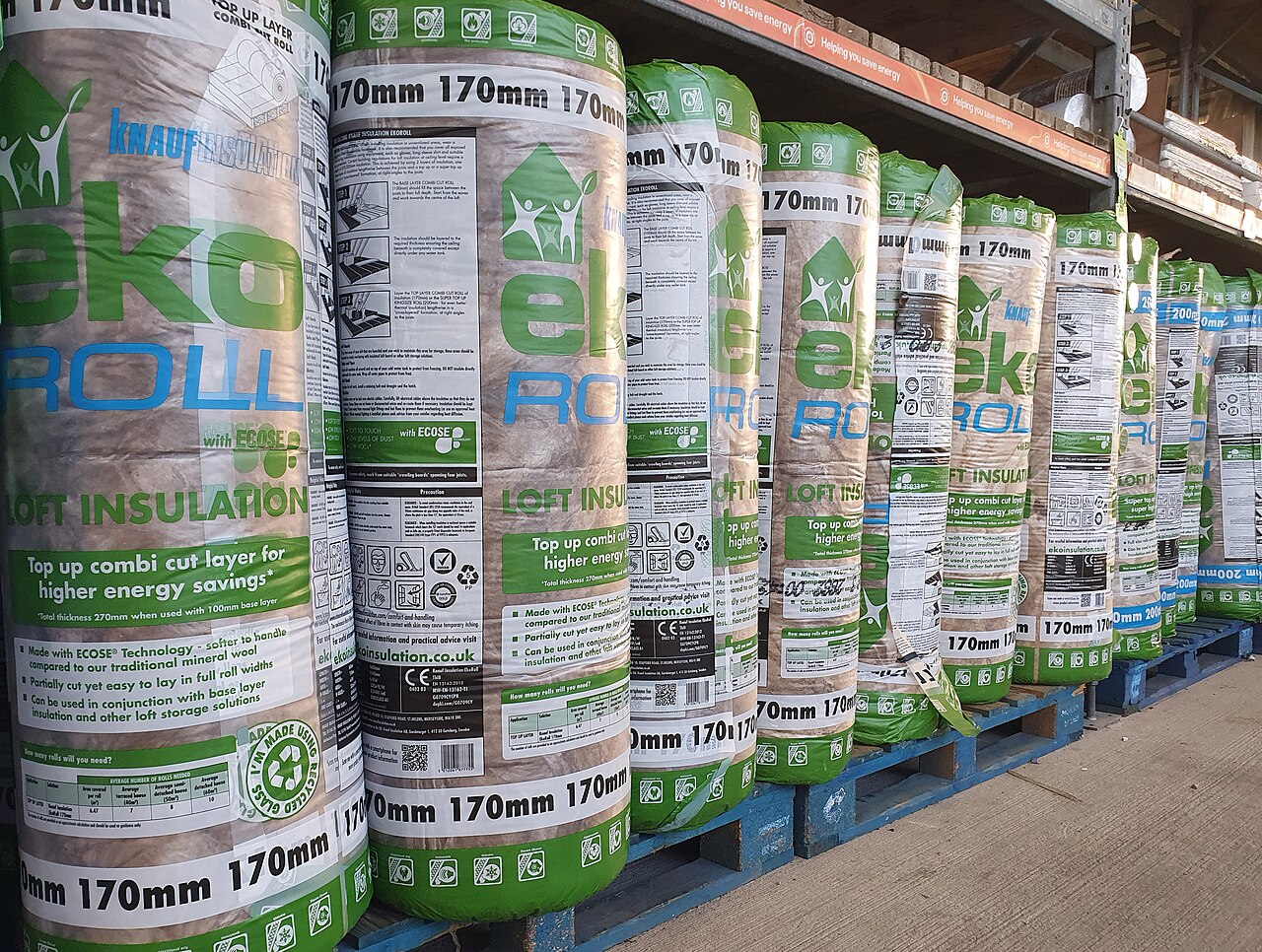
- Increase loft insulation depth by adding layers to boost thermal efficiency, especially where the existing layer is thin.
- Inject cavity wall insulation to fill gaps, significantly reducing heat loss through exterior walls of heavily used rooms.
- Install internal or external insulation on solid walls to greatly improve warmth retention, particularly in period properties.
- Enhance sealing around windows and doors to block draughts, increasing energy efficiency and comfort in all seasons.
- Introduce adequate ventilation systems to accompany insulation efforts, preventing condensation and maintaining air quality.
How the work is carried out
- Conduct a thorough survey of the property to assess existing insulation levels and pinpoint areas needing improvement.
- Discuss and agree on the most suitable insulation method with the homeowner, factoring in property type and energy needs.
- Professionals install the chosen insulation type in lofts, cavity, or solid walls, ensuring an even, standard-compliant application.
- Inspect completed installation work to ensure it meets quality standards without hindering necessary ventilation paths.
- Repair any access points or damage from installation to leave the property secure and tidy post-work.
What affects your quote
- Property size impacts costs as larger homes require more insulation material, increasing labour and resource needs.
- The type of insulation chosen affects price; options like solid wall insulation are typically more expensive than loft insulation.
- Accessibility of the area to be insulated influences labour costs, with difficult-to-reach spaces requiring more effort.
- Existing insulation condition and any required removal or preparation will affect overall costs of upgrading insulation.
- Complexity of installation, such as dealing with period properties, can push up cost due to specialised methods.
- Geographical location may alter costs due to varying local labour rates and material availability in different regions.
Frequently asked questions
How can I tell if my home insulation is inadequate?
Check for variations in room temperature, persistently high heating bills, and condensation on windows. Cold external walls and frequent draughts, especially during winter, often indicate insufficient insulation. Inspect your loft to ensure the loft layer is still thin, and check for filled drill holes indicating cavity wall insulation. If these checks suggest inadequate insulation, it may be time to consult a professional for further evaluation and solutions.
What types of insulation are suitable for different areas of my home?
Loft spaces benefit from mineral wool or rigid board insulation to prevent heat loss through the roof. Cavity wall insulation involves filling external wall gaps to reduce heat escape, while solid walls may require internal or external insulation for improved thermal resistance. Suspended floors can utilise insulation boards fitted underneath. Choosing the right type depends on your home’s construction and existing energy efficiency needs.
Is it better to repair or replace old insulation?
Repairing insulation can suffice if it’s mostly intact and only has minor gaps or wear. However, replacement is advisable for worn, compressed, or outdated materials, as newer insulation standards can substantially boost efficiency. If dealing with extensive heat loss or recurring issues like condensation, a full replacement often yields better energy savings. Consulting with a professional installer can determine the best course of action based on your specific circumstances.
Are there any regulations I need to consider for home insulation?
Home insulation can fall under building regulations depending on the type and extent of work. Ensuring compliance with ventilation and fire safety standards is crucial, particularly when insulating walls or lofts. Professional installers often guide compliance to ensure legal and safety requirements are met. Engaging with a certified installer helps navigate these aspects legally and safely, ensuring your property remains up to standard while enhancing its thermal performance.
Areas covered
Coverage is built from the postcodes verified installers actually work in. We don't fill this with district names until that list exists.