
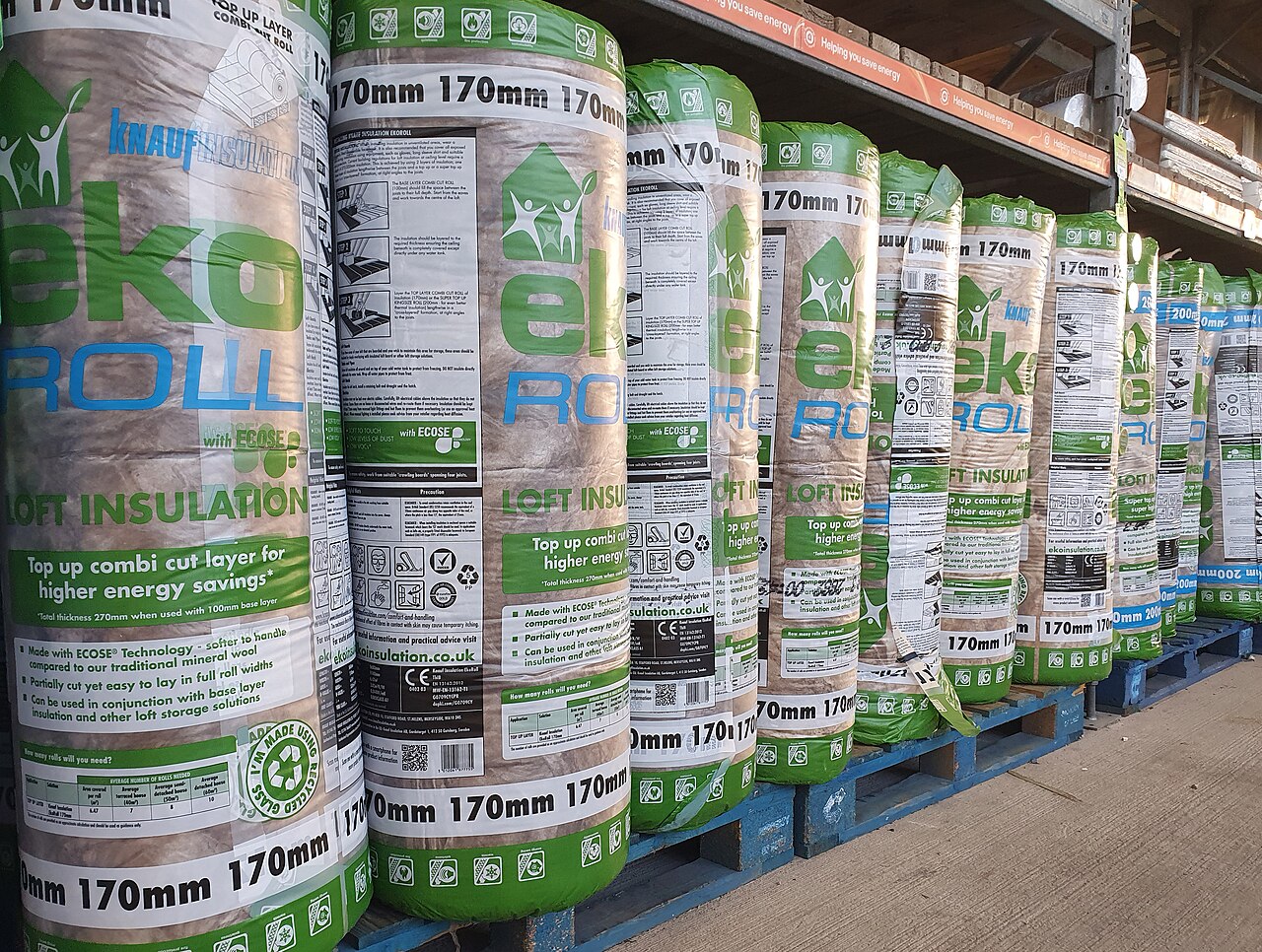

What installation involves
- 1Conduct a thorough survey of the property to assess existing insulation levels and pinpoint areas needing improvement.
- 2Discuss and agree on the most suitable insulation method with the homeowner, factoring in property type and energy needs.
- 3Professionals install the chosen insulation type in lofts, cavity, or solid walls, ensuring an even, standard-compliant application.
- 4Inspect completed installation work to ensure it meets quality standards without hindering necessary ventilation paths.
- 5Repair any access points or damage from installation to leave the property secure and tidy post-work.
Choosing an installer
- MCS certification, needed for the Boiler Upgrade Scheme on a heat pump.
- A consumer code such as RECC or HIES.
- A written survey, and warranties named on the quote.
Installers by city
Questions
How can I tell if my home insulation is inadequate?
Check for variations in room temperature, persistently high heating bills, and condensation on windows. Cold external walls and frequent draughts, especially during winter, often indicate insufficient insulation. Inspect your loft to ensure the loft layer is still thin, and check for filled drill holes indicating cavity wall insulation. If these checks suggest inadequate insulation, it may be time to consult a professional for further evaluation and solutions.
What types of insulation are suitable for different areas of my home?
Loft spaces benefit from mineral wool or rigid board insulation to prevent heat loss through the roof. Cavity wall insulation involves filling external wall gaps to reduce heat escape, while solid walls may require internal or external insulation for improved thermal resistance. Suspended floors can utilise insulation boards fitted underneath. Choosing the right type depends on your home’s construction and existing energy efficiency needs.
Is it better to repair or replace old insulation?
Repairing insulation can suffice if it’s mostly intact and only has minor gaps or wear. However, replacement is advisable for worn, compressed, or outdated materials, as newer insulation standards can substantially boost efficiency. If dealing with extensive heat loss or recurring issues like condensation, a full replacement often yields better energy savings. Consulting with a professional installer can determine the best course of action based on your specific circumstances.
Are there any regulations I need to consider for home insulation?
Home insulation can fall under building regulations depending on the type and extent of work. Ensuring compliance with ventilation and fire safety standards is crucial, particularly when insulating walls or lofts. Professional installers often guide compliance to ensure legal and safety requirements are met. Engaging with a certified installer helps navigate these aspects legally and safely, ensuring your property remains up to standard while enhancing its thermal performance.