
Verified installers covering Houghton-Le-Spring
None are listed yet. A profile appears after the checks for that business are in date. Your request still goes to no more than 3 who cover the postcode.
Before you get quotes
Roof and shading
Direction, pitch and shade affect how much a system generates. A survey checks all three.
Planning permission
Most home roof systems don't need it, but listed buildings and conservation areas can. Check with the local council.
Adding a battery
Ask for a quote with and without one, so you can compare the difference.
When you may need this service
- Roof sections facing different directions can lead to inconsistent energy production throughout the day due to variable sun exposure.
- Noticeable shading from structures like chimneys or trees during peak sun times reduces solar panel efficiency significantly.
- Energy consumption peaks in the evening when stored solar energy is low, causing reliance on the grid.
- Limited roof space makes it challenging to install the desired number of solar panels, restricting energy generation.
- The existing consumer unit is undersized, leading to safety concerns when adding new solar installations.
- Power output fluctuates due to uneven sunlight exposure, impacting the consistency of energy supply.
- Inadequate electrical cabling connections reduce efficiency between the solar panels and the inverter.
Common causes
- Different roof orientations mean sunlight hits panels at various angles, reducing total captured energy during the day.
- Chimneys or tall trees that block sunlight create shadows, interrupting solar panel output during peak efficiency hours.
- Lacking battery storage, excess daytime energy cannot be utilised in the evening when demand is greater.
- A smaller usable roof area limits the number of panels, reducing overall generation potential and energy independence.
- Outdated or undersized consumer units cannot safely handle the electricity generated by newly installed solar panels.
- Poor cable routing increases resistance and energy loss, leading to reduced efficiency between panels and the inverter.
What you can check first
- Observe roof orientation with a compass to identify areas with optimal potential for solar panel placement.
- Assess periods of shading by noting when structures cause shadows to ensure panels avoid these spots for maximum efficiency.
- Review evening energy needs to decide if battery storage is necessary to boost solar panel effectiveness during peak consumption.
What the specialist can do
- Conducting a detailed survey of roof pitch and orientation helps optimise panel placement for improved output.
- Including battery storage in your system permits efficient evening energy use by storing excess daytime electricity.
- Installing micro-inverters helps manage shade impact by optimising the output of each panel across different light conditions.
- Re-routing electrical cabling reduces energy losses and improves overall system performance and reliability.
- Ensuring an adequate consumer unit capacity accommodates new installations, preventing overloads and maintaining safety.
How the work is carried out
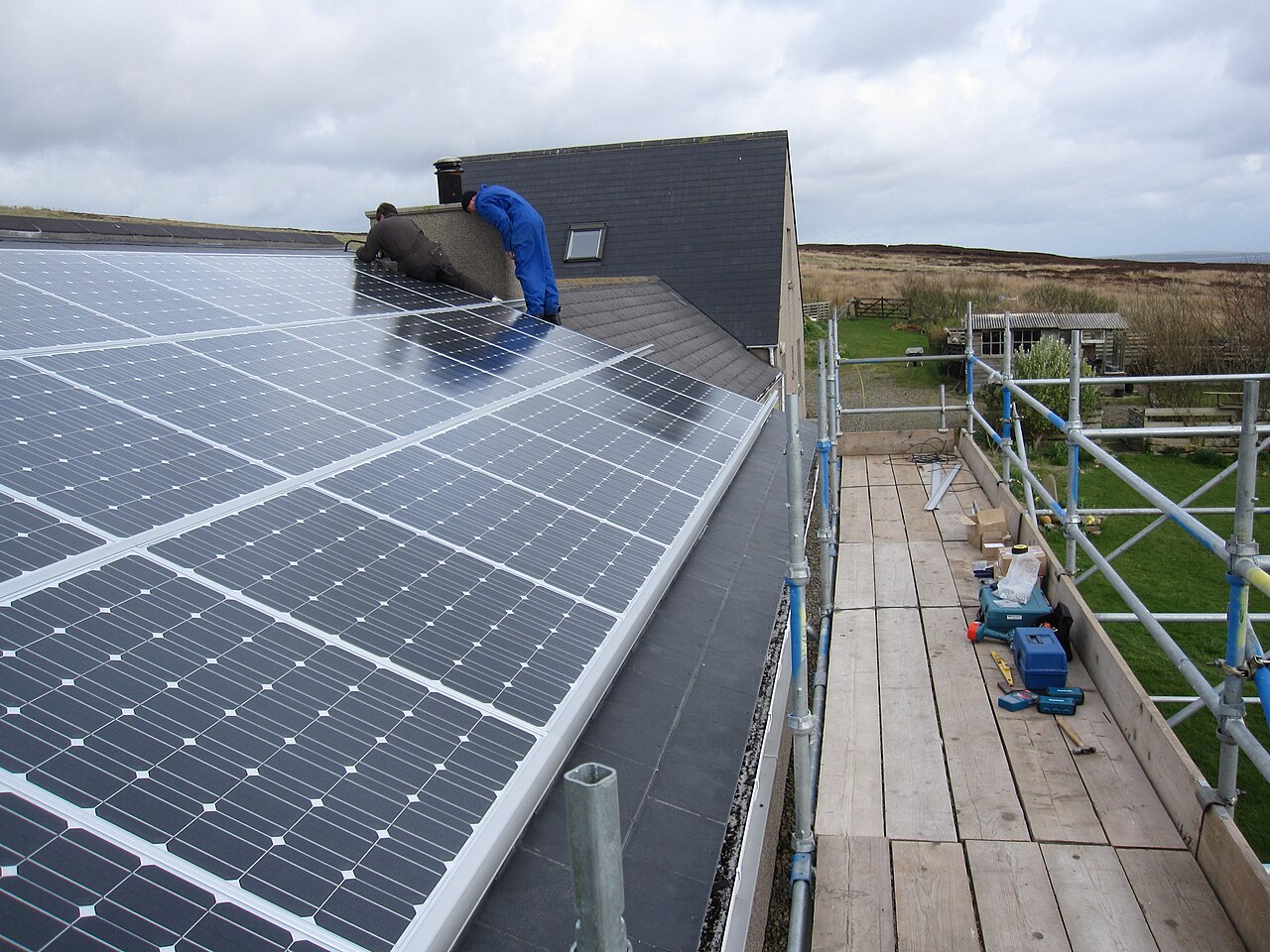
- Survey the roof to assess dimensions, pitch, and shading to collect precise data for system design.
- Agree on a suitable layout, considering orientation and shading, to confirm optimal panel positioning and output.
- Fit the panels and inverter securely, ensuring connections are robust to convert solar energy efficiently into electricity.
- Commission the system to verify energy production meets design expectations and provide system documentation.
- Installers should explain system operation, warranty boundaries, and troubleshooting steps for ongoing management.
What affects your quote
- Roof accessibility can affect installation complexity, requiring additional scaffolding or safety measures, thus influencing costs.
- The pitch and orientation determine the number of panels needed for optimal output, affecting material and labour costs.
- Shading from trees or buildings might necessitate additional components like optimiser units, impacting installation expenses.
- Inverter type selection influences cost by determining system efficiency and compatibility with potential battery storage solutions.
- Consumer unit upgrades may be necessary to accommodate increased load, impacting both hardware and installation costs.
Frequently asked questions
What should I consider before installing solar panels for the best results?
Evaluate your roof orientation and shading throughout the day, as these factors significantly affect efficiency. A compass or app can help verify direction, and checking for shading from trees or buildings during peak sunlight hours is crucial. Additionally, consult an installer about your consumer unit's capacity to handle extra load, ensuring safety and reliability in energy transition. This groundwork ensures optimal panel placement and energy yield.
How can I tell if shading is affecting my solar panel output?
Monitor power output throughout the day for fluctuations that could indicate shading issues. Visually inspect for shadows cast by structures like chimneys or nearby trees during peak sunlight hours. If possible, use monitoring software to track variations in energy production, helping identify specific times when shading significantly impacts efficiency. Addressing these shadowing sources can markedly improve your solar panels' performance and increase your energy savings.
Is it necessary to invest in battery storage with solar panels?
Battery storage is not a requirement for solar systems but enhances efficiency by storing excess daytime power for evening use. Consider your evening energy consumption and peak demand times against system output. Without storage, homeowners rely on the grid when solar production diminishes. Assess storage benefits, costs, and system compatibility to determine if it aligns with your energy goals and can maximise your solar investment.
Can any roof support solar panels, or are there restrictions?
Not all roofs are suitable for solar panels. Consider pitch, orientation, and structural integrity, influencing installation viability. Roof materials must withstand bracket fixing without compromising weatherproofing. Additionally, adequate space is needed to position panels without shading. A professional installer inspects these factors, ensuring compatibility with solar systems, further advising on necessary modifications or potential installation restrictions before proceeding with your solar investment.
Areas covered
Coverage is built from the postcodes verified installers actually work in. We don't fill this with district names until that list exists.